What is a logistics company's data worth?
In this article
Why buyers want a logistics or 3PL company's recordsWhich systems hold the valueWhat never leaves your buildingWhich buyers fitA worked exampleWhat to check firstRange is our estimate from the buyers' published figures, October 2026, sources on file. Not an offer.
Why buyers want a logistics or 3PL company's records
Dispatch decisions, carrier escalations and delay resolution are on the published lists. One advisor's only public example is a 140-person logistics company with nine years of records and three buyer matches.
What a buyer is paying for is the loop: a piece of work that starts, moves through people and systems, and ends with a visible result. In a logistics or 3PL company that looks like:
- Order in, carrier selected, tendered, accepted or rejected, picked up, delayed, customer notified, delivered, invoiced, disputed, settled.
- A damaged shipment claim from photo to carrier recovery.
- A capacity crunch and the reroutes and rate decisions it forced.
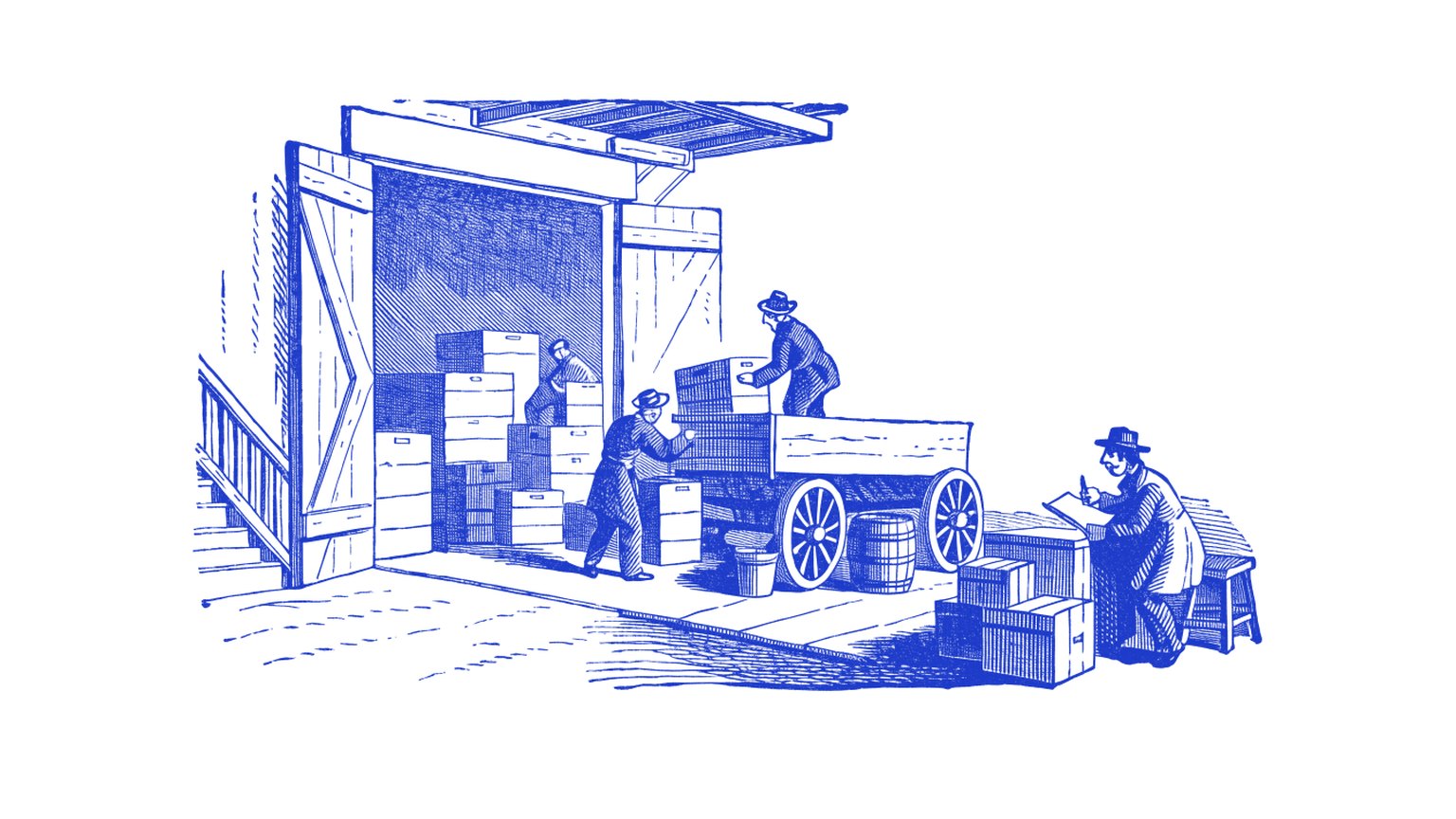
Which of your systems hold the value
Value follows the systems that recorded the work. For a logistics or 3PL company, the usual ones are:
| System | What the buyer sees in it |
|---|---|
| TMS or WMS (McLeod, Descartes, 3PL Warehouse Manager) | every shipment, exception, reroute, claim and proof of delivery |
| Zendesk, Freshdesk or shared inboxes | the customer service tickets around every late or damaged load |
| QuickBooks or NetSuite | carrier settlements, accessorials and disputed invoices |
| Teams or Slack | the dispatch chatter where exceptions get solved |
More connected systems means a higher number. A ticket that links to an invoice that links to an email thread is worth more than any one of them alone. See every system, and how each one is exported.
What never leaves your building
The buyer scrubs before anything is used, and you approve the categories first. For a logistics or 3PL company that always means:
- Shipper and consignee names and addresses
- Driver personal data and ELD logs tied to a person
- Customer contract rates where the contract restricts disclosure
- Anything under a customer MSA that forbids secondary use
How scrubbing works, and what every buyer commits to.
See what your company's records could get.
Ten questions, under five minutes, built from the buyers' own published ranges.
Get my estimate →Which buyers fit a logistics or 3PL company
- The multi-lab licensing platform
- Operations exceptions and work orders are on its list.
- The enterprise buyers
- 30+ employees; Warehouse records are on its published list; 40+ employees; 20+ full-time, 3+ years; 100+ system connectors.
We check your company against every program and introduce you to the one that publishes the most for your size, with the fastest payment if you are in a hurry. Every buyer type side by side.
A worked example
A 60-person freight brokerage, nine years old, on a TMS, Zendesk, NetSuite and Teams. Our model: roughly $220,000 to $530,000. The exception history is what buyers single out.
What to check before the first call
One advisor's only public example is a logistics company: 140 staff, nine years, three buyer matches. It is the clearest sign that this industry gets taken seriously.
Other industries
In short
- Typical range for a 40-person logistics or 3PL company with 8 to 15 years of records: $150,000 to $350,000, from published buyer figures.
- 2 of the 6 buyer types fit this industry. Any size gets checked; different buyers look at different sizes.
- Customer, patient, borrower and employee identities never leave. Buyers want the process and the outcomes.
- Owners pay nothing. The buyer pays Briggs Analytics only when the company signs.
Questions owners ask.
Our customers would never allow it.
Many contracts are silent on it. The ones that forbid secondary use mean those customers' shipments are excluded, not that the deal is dead.
Is the ELD and telematics data wanted?
Less than the dispatch decisions around it. Driver-identifying data is removed regardless.
We are a brokerage with no warehouse.
Fine. Carrier selection, tendering and exception handling is the history.
Which buyer?
The enterprise buyers and the multi-lab platform for operating companies. One of them lists warehouse records specifically.